Project and regulatory framework
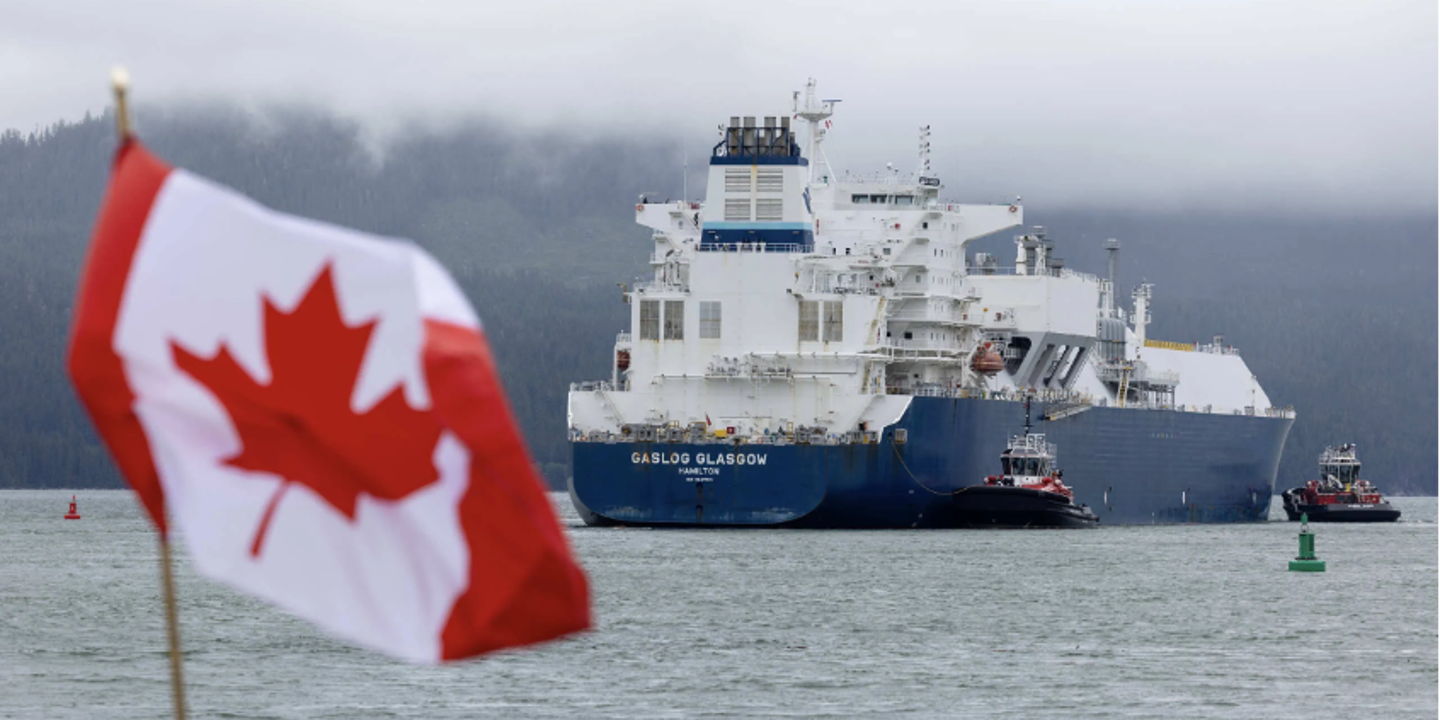
The LNG Canada Project (project) comprised the delivery of a large-scale liquefied natural gas liquefaction facility and export terminal in Kitimat, British Columbia, Canada, incorporating multiple liquefaction trains, marine structures and LNG storage and loading infrastructure.
Under the jurisdiction of the British Columbia Energy Regulator (BCER), the project was required to demonstrate compliance with British Columbia LNG Facility Regulations and associated codes and standards.
Additionally, under a memorandum of understanding between the BCER and Technical Safety British Columbia (TSBC), pressure vessels needed to comply with TSBC requirements.
The scopes were executed across multiple regions, module yards and design centres, requiring effective coordination and regulatory alignment throughout the extensive international project construction phase.
Scope
Lloyd’s Register (LR) was commissioned by the JGC Fluor BC LNG Joint Venture to provide independent third-party verification (TPV) and pressure vessel inspection (PVI) services for the project.
The TPV scope covered module yard and design centre verifications, gas fired equipment certification, and technical integrity verification oversight, delivered under a defined regulatory compliance contract and aligned to approved
execution plans.
The PVI scope was executed according to a framework and approaches agreed with all regulatory and client stakeholders. Inspections of more than 750 vessels were performed during fabrication in Asia and Europe, and commissioning at the Kitimat site.
Delivery
LR delivered the scopes in accordance with documented execution plans, regulatory requirements and approved methodologies. Delivery was structured across defined streams, each governed by its own regulatory basis, reporting requirements and review processes.
Audits, inspections and document reviews were undertaken, with progress tracked through structured monthly reporting and formal acceptance processes.
Safety considerations were embedded throughout delivery in alignment with the client’s ambition to be the safest project on earth. LR activities supported this objective through adherence to LR’s ‘ZeroHarm’ lifesaving rules, project safety requirements and routine safety verifications during site and vendor engagements.
Key activities & outputs
- Module yard audits were completed and verification reports issued
- BCER clarification comments were recorded in a BCER Clarifications Log, reviewed and subsequently closed
- Gas fired equipment certificates were issued within a three-stage gate approval system
- Technical integrity oversight activities, including frequent project meetings and audits, were successfully executed
- 50 performance standards and associated technical integrity documents were approved
- A final technical integrity oversight statement and audit reports were issued
- A final Verification Report was issued following regulatory acceptance
- Pressure vessel inspection certificates were delivered for all vessels inspected.
Key client benefits
- Independent regulatory compliance confirmation
- Structured oversight aligned to approved regulatory and project execution plans
- Clear audit trail supporting regulator engagement and final acceptance.
Project outcome
All contractual deliverables were completed and issued. Regulatory review and acceptance processes were concluded, with no open items remaining at project close-out. Module yard audits, gas fired equipment certification, technical integrity oversight and pressure vessel inspection all reached 100% completion, with final statements issued confirming closure of all issues.
Conclusion
The LNG Canada Project scopes were delivered by LR in accordance with applicable British Columbia regulations and recognised codes and standards, providing an independent assurance basis for regulatory acceptance at project close-out. The verification scopes were delivered over a six-year period, concluding with formal regulatory acceptance.
The success of our technical integrity program, pressure equipment compliance program and gas-fired equipment certification program was built on a foundation of collaboration, clarity, and execution. Working closely with Lloyd’s Register, we developed a field-driven inspection program that supported module yard and design centre verification, gas-fired equipment certification, and pressure equipment inspections. What truly stands out is how seamlessly these programs integrated into our completions system—without causing delays, disruption, or added stress during startup and handover. Lloyd’s Register’s support in the field and their adaptability in working with our systems and processes were key to delivering this outcome. It’s a great example of what can be achieved when teams work together with a shared focus on Safety, Quality and Productivity.