Lloyd’s Register (LR) has delivered a fleet-wide energy transition strategy for TMS Tankers, giving the Greek shipowner a clearer view of its exposure to tightening emissions regulation and the most cost-effective pathways to compliance.
The work provides TMS with vessel-level insight into how regulatory pressure from measures such as Carbon Intensity Indicator (CII), EU ETS and FuelEU Maritime will affect both performance and cost, linking trading patterns and fuel use directly to future financial exposure.
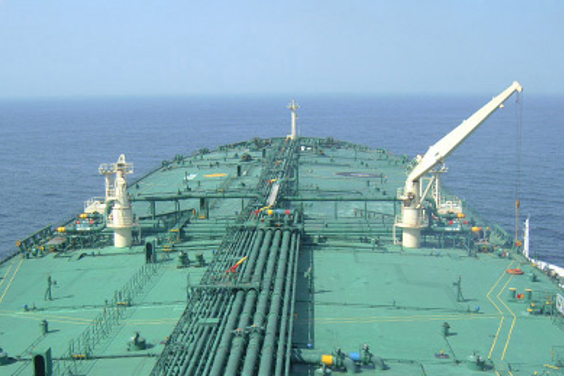
The collaboration, first announced at Posidonia in 2024, focused on TMS’s Aframax, Suezmax and VLCC fleets. LR Advisory established carbon intensity baselines and assessed compliance risk under different reduction scenarios, benchmarking performance against more than 300 comparable vessels to give a clear view of where exposure is increasing across the fleet.
LR Advisory combined this with a detailed assessment of operational and technical measures available to improve performance, including speed optimisation, energy-saving technologies and fuel-switching options.
A parallel fuel readiness study evaluated biofuels, LNG, methanol and ammonia against TMS’s trading routes and bunkering infrastructure, highlighting where near-term options are realistic and where constraints remain.
The analysis was then translated into vessel-specific pathways through techno-economic modelling, identifying the most effective combination of actions to meet regulatory requirements while balancing operational and revenue performance.
Jack Spyros Pringle, Global Head, Energy Transition Advisory, LR Advisory, said: “Shipowners are now facing a convergence of regulatory pressure from CII, EU ETS and FuelEU, and the real challenge is understanding what that means commercially at vessel level. This work gives TMS a clear view of how each ship is exposed to future costs and which actions deliver the strongest return.
“By modelling performance against real trading patterns and benchmarking against the wider fleet, we have been able to move beyond general strategy and define practical, vessel-specific pathways that can be implemented across the fleet.”
Theo Kourmpelis, Global Business Director for Tankers, Lloyd’s Register, said: “TMS Tankers is taking a strategic, fleet-wide view of the energy transition, looking beyond near-term compliance to long-term resilience and competitiveness. This roadmap gives TMS a practical basis to sequence investment, preserve commercial flexibility and make informed decisions across its tanker fleet.”
A spokesperson for TMS Tankers said: “The strategy gives us a clear line of sight between how our vessels operate today and the cost of compliance under future regulation. That is critical for how we optimise deployment and prioritise investment across the fleet.
“It also brings clarity to which decarbonisation options are realistically available to us based on our trading profile and bunkering infrastructure, allowing us to take a more structured approach to energy transition rather than reacting to regulation as it develops.”