


Find information faster and focus on implementing operational changes with a trusted source for marine regulatory publications.
Key outcomes from MSC 111 were:
- The non-mandatory International Code for Maritime Autonomous Surface Ships (MASS Code) was adopted and is effective from 1 July 2026. Work will continue on the mandatory Code, including an experience building phase, and it’s expected to be in force 1 January 2032.
- The IGC Code amendments have been finalised and approved. The latest updates were around the application of the Code, with a three-date application being agreed, based on the contract, keel laying or delivery date of the gas carrier. The amendments are expected to enter force from 1 July 2028. In addition, the associated guidelines for the use of ammonia cargo as fuel on gas carriers were approved.
- The IGF Code amendments and associated SOLAS II-1 amendments were approved. The latest amendments confirm that the IGF Code does not apply to gas carriers, in accordance with the “one ship, one code” policy and align definitions of gaseous or gas fuels and low-flashpoint fuels between SOLAS and the IGF Code. These are expected to enter force 1 July 2028.
- Amendments to the IP Code were approved which change the assumed mass of an industrial person from 75kg to a more realistic 90kg for stability calculations.
- Revised interim guidelines for the use of fibre-reinforced plastic in ships structures were approved.
- Revised explanatory notes around safe return to port for passenger ships following fire or flooding casualty, which provide additional guidance on voyages exceeding SRtP range, crew operation and the use of alternative fuels, were approved.
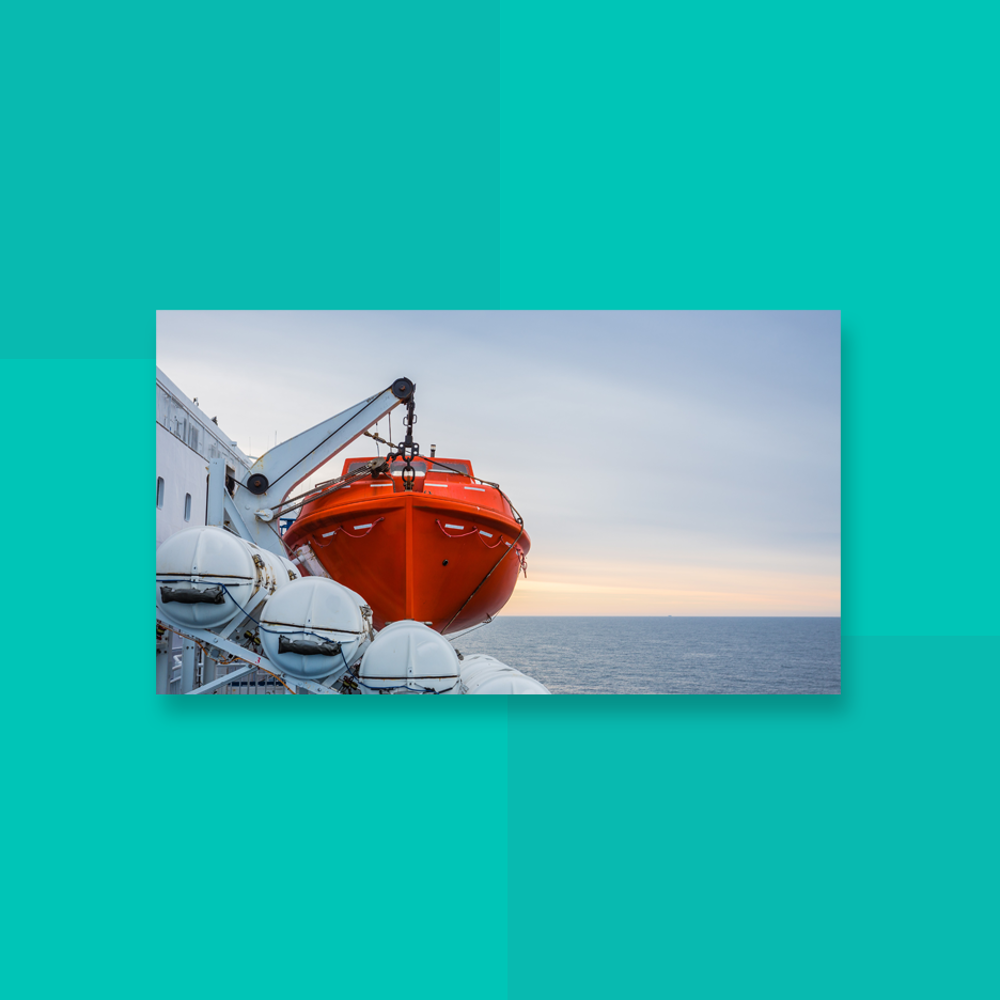
- Amendments to the LSA Code on the design and testing requirements for free-fall lifeboats were approved which come into force on 1 January 2031.
- Amendments to SOLAS V and the HSC Codes which permit the carriage of VHF Data Exchange Systems were adopted. These will enter force 1 January 2028.
- Two sets of guidelines for the training of seafarers on ships using methyl/ethyl alcohols as fuel, and using ammonia as fuel, were approved.